
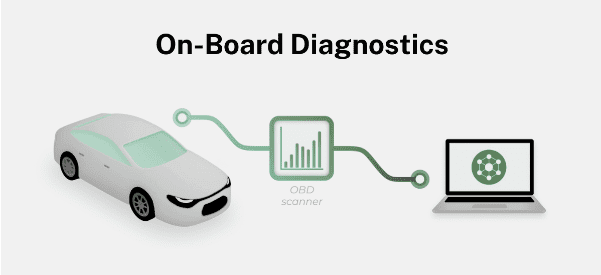
In today’s automotive world, technology plays a crucial role in keeping our vehicles running smoothly and efficiently. One of the most essential tools in a modern mechanic’s arsenal is the On-Board Diagnostics II (OBD-II) system. If you’ve ever had your car checked for issues, you’ve likely heard of OBD-II diagnostics, but you may not fully understand what it is or how it works.
What Is OBD-II and How Does It Work?
The Components of the OBD-II System
The OBD-II system is composed of several key components that work together to monitor and report on the health of your vehicle. At the heart of this system is the Engine Control Unit (ECU), which acts as the brain of your car. The ECU receives input from various sensors throughout the vehicle. It monitors everything from engine temperature to exhaust oxygen levels.
These sensors are connected to the OBD-II system, which uses the information to detect any anomalies or issues. If a problem is detected, the system generates a Diagnostic Trouble Code (DTC), which can be read using a car scan tool. The OBD-II port, usually under the dashboard, lets users connect a scan tool. This retrieves codes that show the vehicle’s condition.
Understanding Diagnostic Trouble Codes (DTCs)
What Are Diagnostic Trouble Codes?
Diagnostic Trouble Codes (DTCs) are the cornerstone of the OBD-II system. These codes are generated whenever the system detects an issue within the vehicle. Each code is a combination of letters and numbers that correspond to a specific problem or set of problems. A code like P0171 might mean the fuel system is too lean. There’s not enough fuel in the air mixture for the engine.
There are thousands of potential DTCs. They cover everything from minor issues, like a loose gas cap, to serious problems, like engine misfires. These codes are divided into categories based on the issue type. P-codes are for powertrain problems. B-codes are for body issues. C-codes are for chassis issues. U-codes are for network problems. Understanding these codes is crucial for diagnosing and addressing vehicle problems effectively.
How to Read and Interpret DTCs
Reading and interpreting DTCs is simple. But, it needs the right tools and knowledge. The first step is to connect a car scan tool to the OBD-II port in your vehicle. Once connected, the tool will retrieve any stored codes, and display them on the screen.
Interpreting these codes requires some understanding of what each code means. As mentioned, codes are in categories. Each letter and number in the code gives details about the issue. For example, the first letter in a code indicates the system (P for powertrain, B for body, etc.). The following numbers provide more details about the problem.
It’s important to note that not all DTCs indicate a serious issue. Some codes may relate to minor issues needing no urgent fix. Others may signal serious problems that must be fixed right away. For example, a code related to an oxygen sensor may not be critical but should still be checked, as it can affect fuel efficiency and emissions.

Benefits of Using OBD-II Diagnostics
Proactive Maintenance and Cost Savings
A key benefit of OBD-II diagnostics is the ability to do proactive vehicle maintenance. By regularly checking your car for DTCs, you can catch potential issues before they become major problems. This proactive approach can save you money in the long run by preventing costly repairs and breakdowns.
For example, if your OBD-II system detects a problem with your engine, you can fix it early. This may avoid severe damage and costly repairs. Additionally, by keeping your vehicle in good condition, you can improve its fuel efficiency, saving money on gas over time.
Routine vehicle diagnostic service also contributes to the overall longevity of your car. By fixing issues as they arise, your vehicle will run well for years. This will reduce the need for frequent repairs and replacements.
Improved Understanding of Your Vehicle
Another advantage of OBD-II diagnostics is its better insight into your vehicle’s health. With the right car scan tools, you can gain insights into your car’s performance that would otherwise be difficult to obtain. This information can empower you to take better care of your vehicle and make informed decisions about maintenance and repairs.
For example, by monitoring real-time data from your OBD-II system, you can track your car’s performance under different conditions, like long drives or bad weather. This can help you spot patterns and issues. You can fix them before they get worse.
OBD-II diagnostics can improve your driving experience, too. Knowing your car’s performance can help you. You can adjust your driving to boost fuel efficiency, reduce wear, and improve safety.
Common Misconceptions About OBD-II Diagnostics
Myth: OBD-II Only Helps Professionals
A common misconception is that OBD-II diagnostics are only for pros. While it’s true that mechanics use OBD-II systems extensively in their work, these tools are also valuable for everyday car owners. The right car scan tools let anyone run basic diagnostics on their vehicle. This provides valuable insights into its condition.
Modern car scan tools are user-friendly. They let even the less tech-savvy retrieve and interpret DTCs. Many tools come with built-in code libraries. They explain each code and suggest fixes. This access lets car owners better maintain their vehicles. It could save time and money on repairs.
Myth: DTCs Always Require Immediate Repair
Another misconception is that all DTCs indicate a critical issue that requires immediate repair. While some codes do signal serious problems, others may be related to minor issues that don’t need urgent attention. It’s essential to know the difference between these types of codes. It helps you decide when to seek professional help.
For example, a DTC related to a loose gas cap is usually a simple fix that can be addressed by tightening the cap. On the other hand, a code indicating an engine misfire may require more immediate attention to prevent further damage. Knowing the severity of different codes lets you prioritize repairs and avoid wasteful spending.

Staying Ahead with Regular Diagnostics
OBD-II diagnostics are a must for vehicle maintenance. By learning how the system works and how to read DTCs, you can better maintain your vehicle. This may save you money and prevent breakdowns.
Regularly checking your vehicle using a car scan tool can provide peace of mind, knowing that you’re staying ahead of potential issues. Whether you’re a seasoned car enthusiast or just someone looking to take better care of your vehicle, OBD-II diagnostics offers a wealth of information that can help you make informed decisions about maintenance and repairs.
At Bolton Alignment & Truck Repair, we understand the importance of keeping your vehicle in top condition. Our skilled team has the latest diagnostic tools. We can help you find and fix any issues with your vehicle. If you have car problems or want to ensure it’s running well, schedule a diagnostic check-up with us today. Visit our website here to learn more about our services and book an appointment. Don’t wait until a small issue becomes a major problem – let us help you keep your vehicle running at its best.